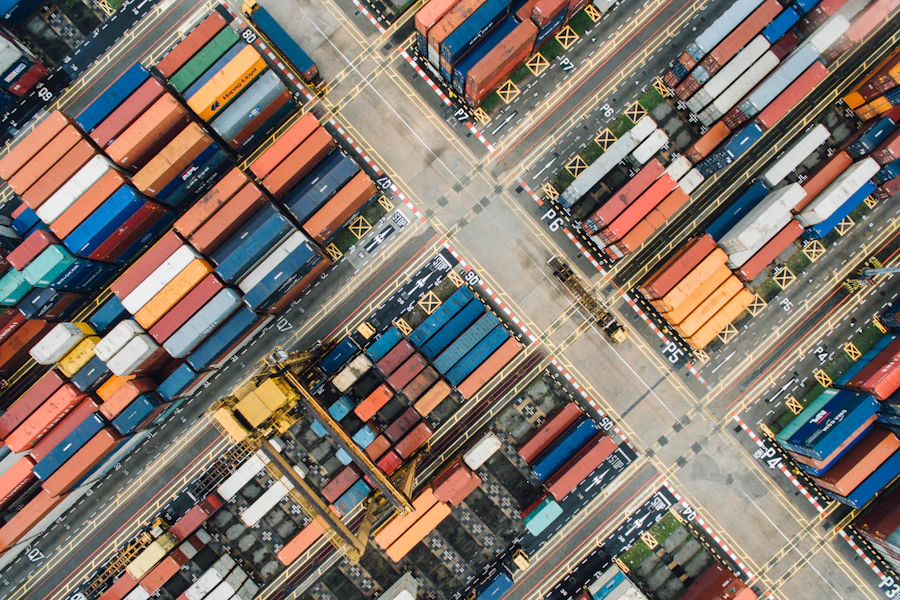
EUROPE
Rotterdam
A major gateway for European trade and inland connections.
Explore transport modes, port facilities and practical considerations behind modern logistics networks.

Logistics coordinates storage and movement of goods from origin to destination. A shipment may involve road, rail, air cargo, ocean freight, customs procedures and local delivery.
Each stage has its own documentation, timing, handling and cost considerations. Ask providers for clear terms and estimates.
Often used for large or heavy international consignments. Consider container type, port handling and inland connections.
Useful for time-sensitive shipments, with cost, size, security and commodity restrictions to consider.
Supports local distribution and cross-border movement between ports, warehouses, manufacturers and customers.
Moves substantial volumes over land corridors and may form part of a multimodal route.
A major gateway for European trade and inland connections.

An important maritime gateway for cargo and regional supply chains.
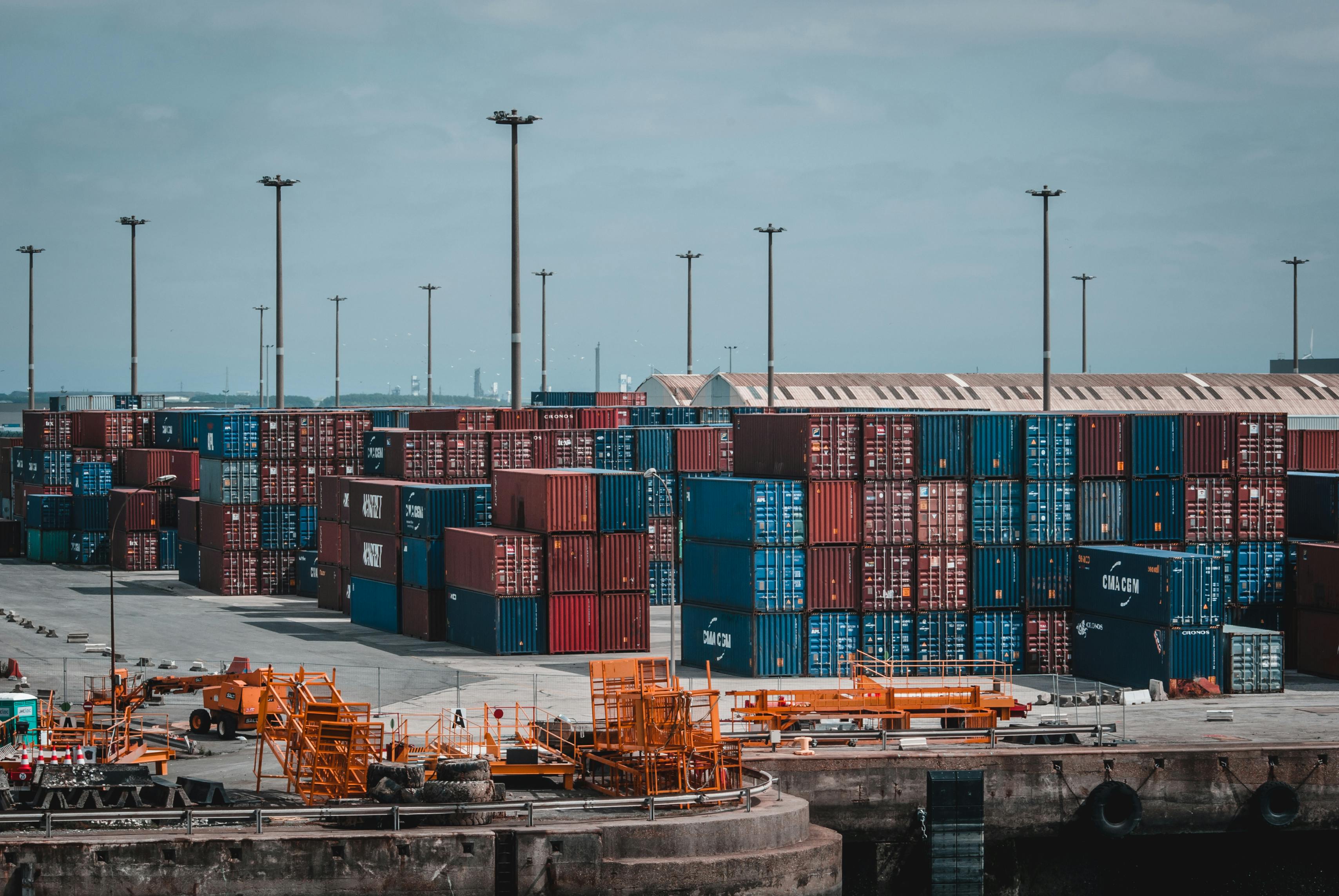
A strategic hub near major international sea routes.
Tell us what route or service you are researching.